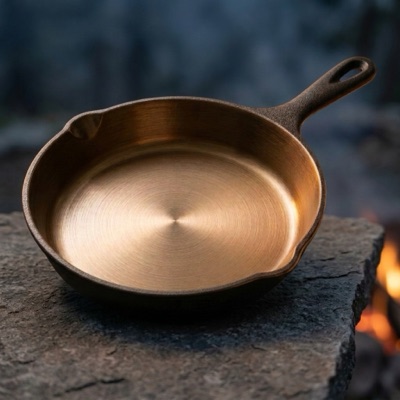
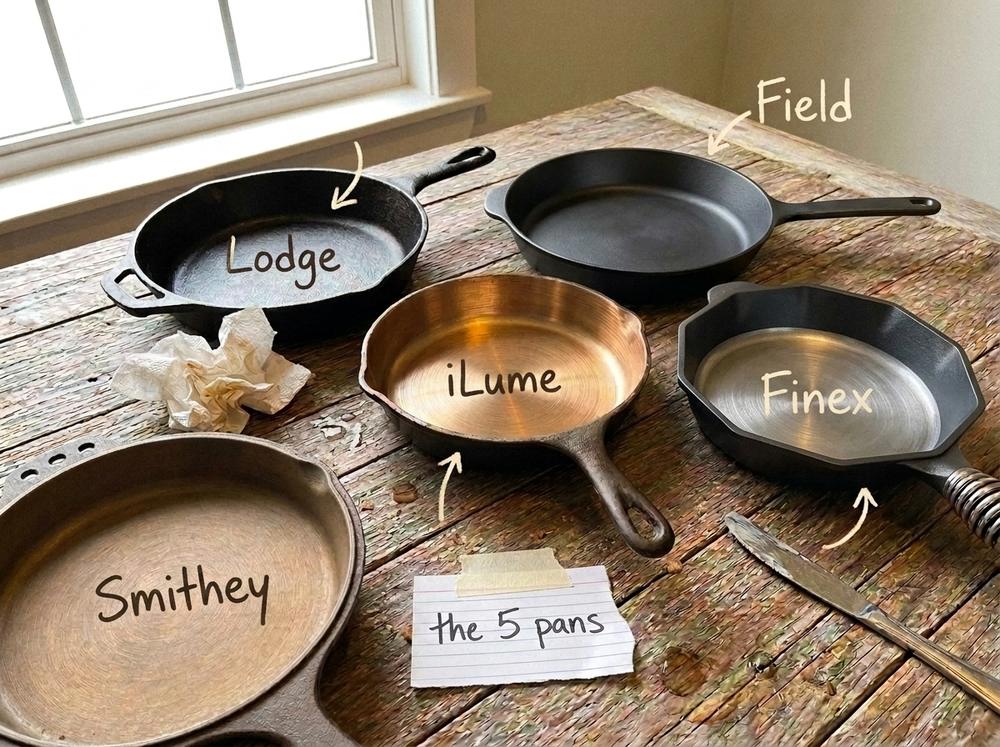
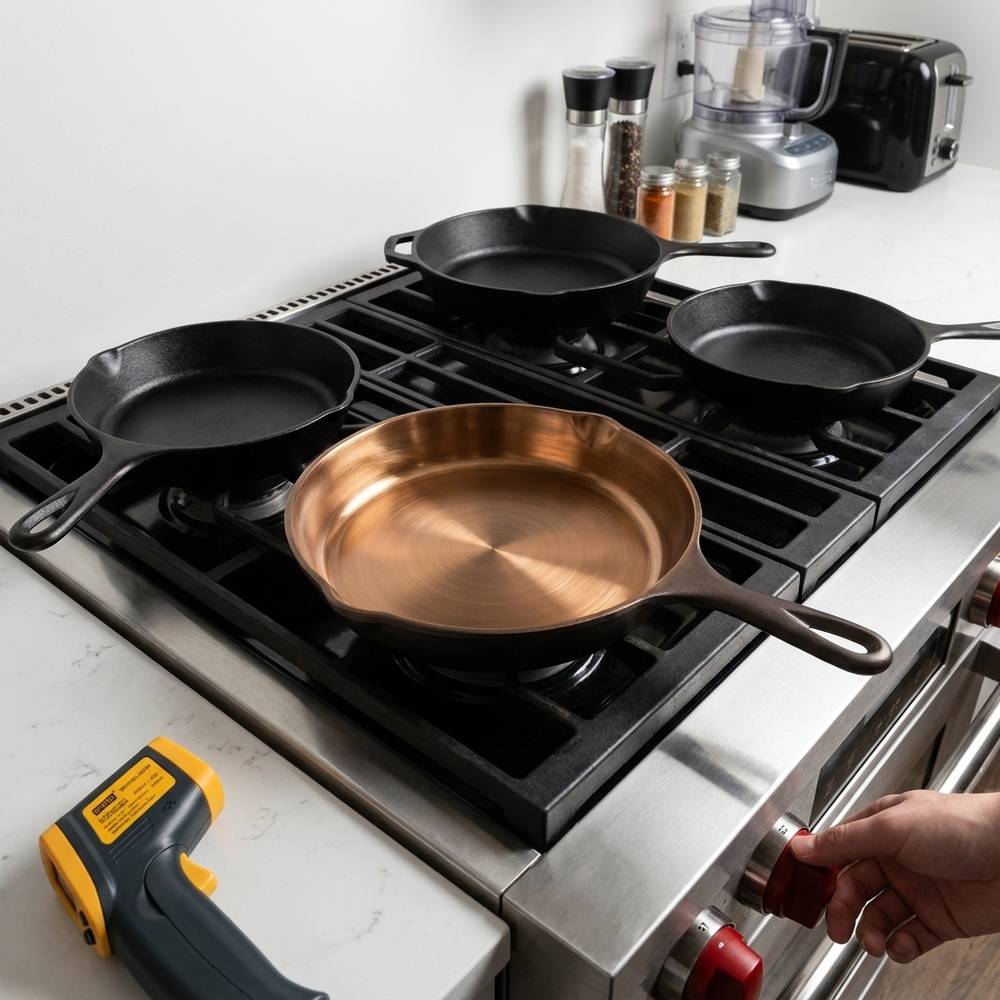
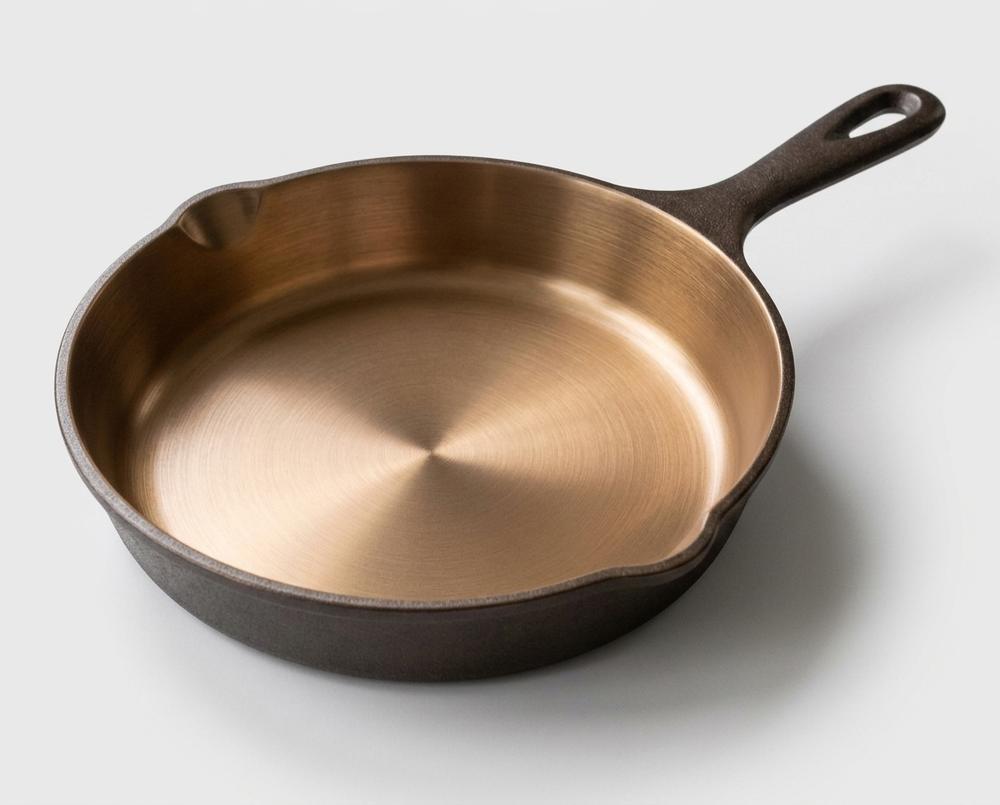
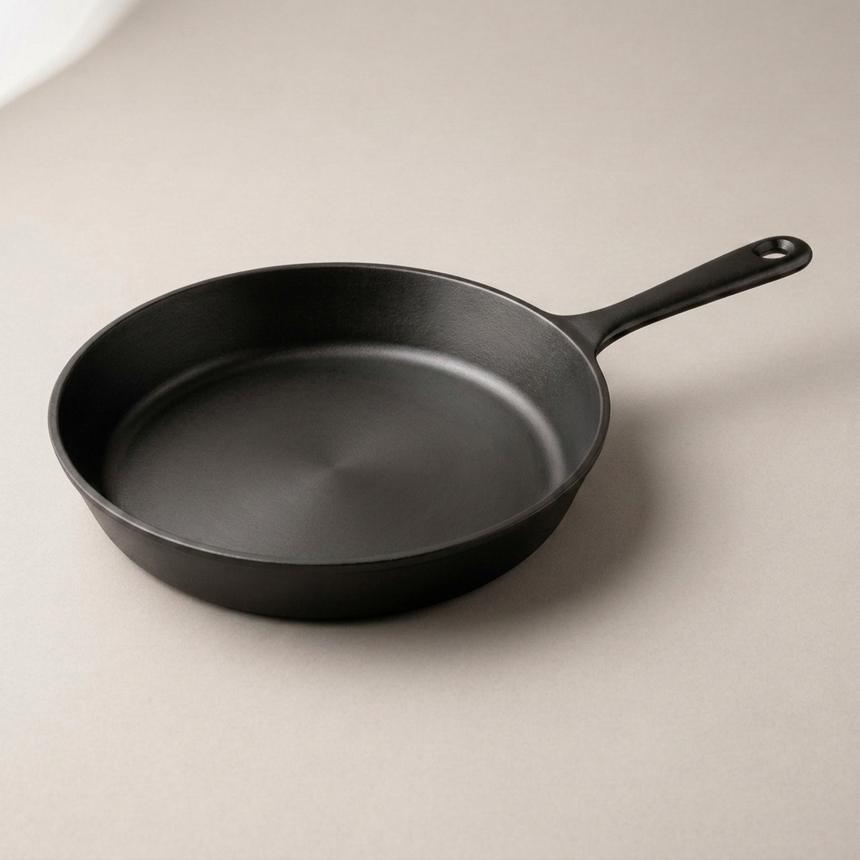
The five pans in this review, before testing started — the polished bronze one is the reason this article exists.
The Upgrade Most People Miss: Your Skillet Surface Matters More Than You Think
Before the scores, one thing worth knowing. All five of these pans are cast from the same material. What separates them is what happens to the cooking surface after casting — and that one difference decided almost every test I ran.
Rough and pebbled (the Lodge): raw sand-cast iron, never ground smooth. That texture is where the stuck eggs, the snagged towels, and the scrubbing live.
Machined smooth (iLume, Smithey, Field): the surface is ground and polished before the plain-oil seasoning goes on. Nowhere for food to grab — that's why the premium pans release the egg and wipe clean on day one.
The surface is the one thing an upgrade genuinely fixes. Not the weight, not the hot handle, not the dry-and-oil habit — those come with the material. The surface is what you're actually paying for.
Keep that in mind as you read. It's the lens for everything below — starting with the pan that won.
★ My favorite thing they do ★
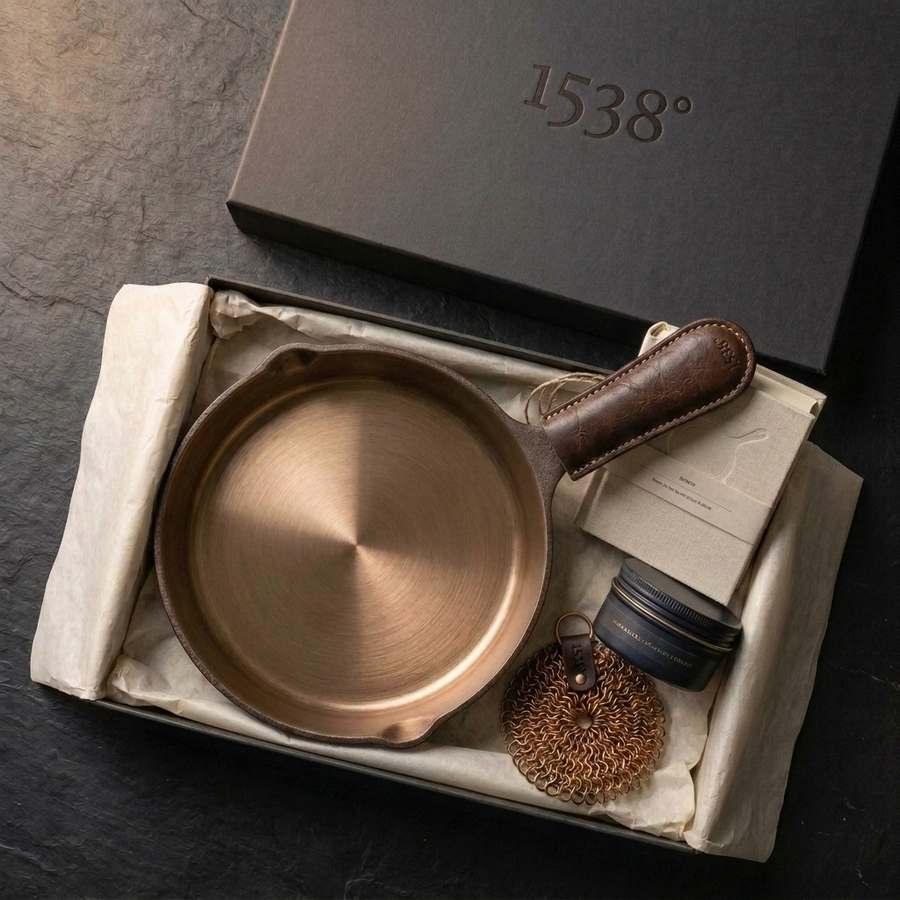
The care kit, in every box
Everything You Need to Keep It Forever — $105 Worth, Free
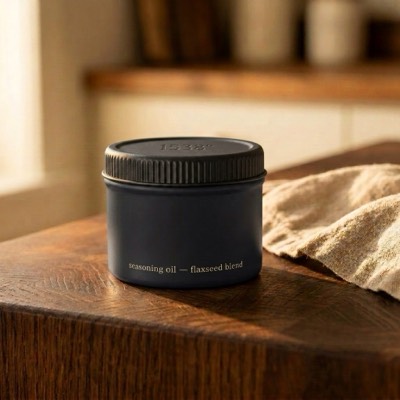
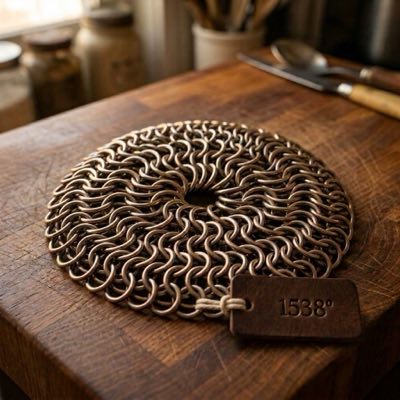
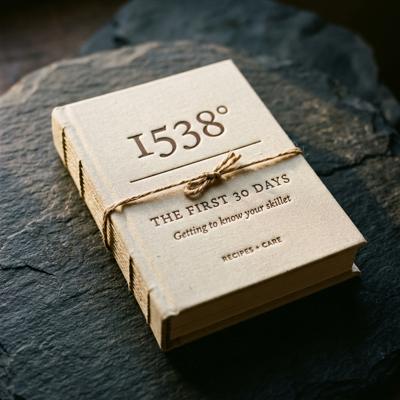
Every other pan in this test arrived alone in cardboard — the iLume arrives as a complete setup, with the four pieces a new cast iron owner ends up buying anyway.
Leather handle cover$29
Seasoning conditioner$17
Chainmail scrubber$32
Recipe book$27
The whole kit, in every box. Not a coupon, not an upcharge — it ships with the pan. Check availability →
How I Tested: The Five Things That Actually Go Wrong With Cast Iron
Most skillet reviews tell you about "craftsmanship" and "heritage." That's nice. But when a cast iron pan disappoints you, it's never about heritage. It's one of five things:
Does the food stick? — the fried egg that welds itself to the pan
How good is the sear? — does the pan hold its heat when cold meat hits it
How smooth is the cooking surface? — sandpaper texture grabs food and shreds paper towels
How hard is it to clean? — nobody wants to scrub crusted-on bits for twenty minutes
How hot does the handle get? — one careless grab and you're running cold water over your palm
So instead of admiring these pans, I tested them against those five failures. Every scored test ran on the same gas burner — same oil, same heat, same eggs, same steaks. (The unscored living-with-it photos further down came from wherever the pans and I happened to be cooking that week.)
Below is what happened, test by test — with photos, because you shouldn't have to take my word for it.
Staging day: four of the field, and the same yellow infrared thermometer you'll see in the test photos below.
5 skillets
6 weeks
40+ meals
1 IR thermometer
1 burner — every scored test
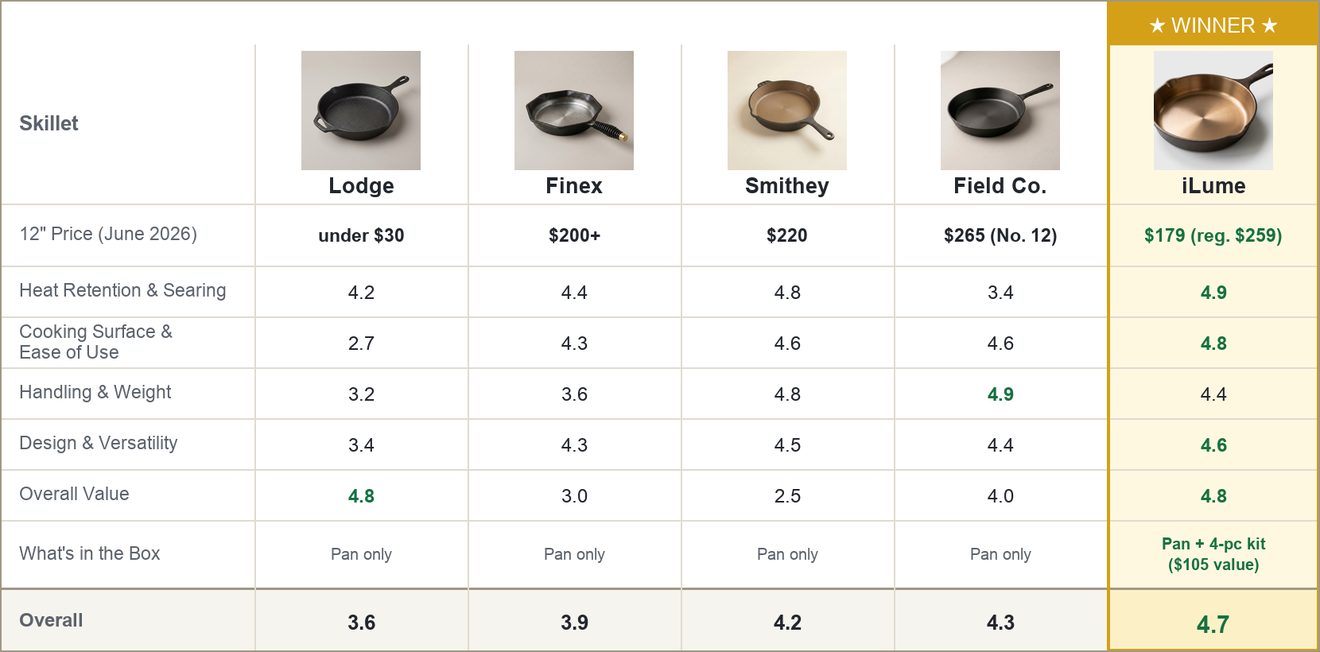
The scorecard criteria stayed the same as always: Heat Retention & Searing, Cooking Surface & Ease of Use, Handling & Weight, Design & Versatility, and Overall Value.
The Full Scorecard
Scorecard: five cast iron skillets rated across five criteria, durability, and price
*Field's smaller No. 10 runs about $185. · Overall scores aren't a straight average — I weight Heat Retention and Cooking Surface heaviest, because that's what you actually cook on.
The five criteria scores, prices, and box contents as a single chart, if you'd rather save or share it.
The Pain-Point Tests
Test 1 of 5 · Sticking
Test 1 — The Stuck Egg
What goes wrong: You oil the pan, you wait, you crack the egg — and it welds itself to the surface anyway. With a rough-surfaced pan that hasn't built up years of seasoning, this is the most common cast iron disappointment there is.
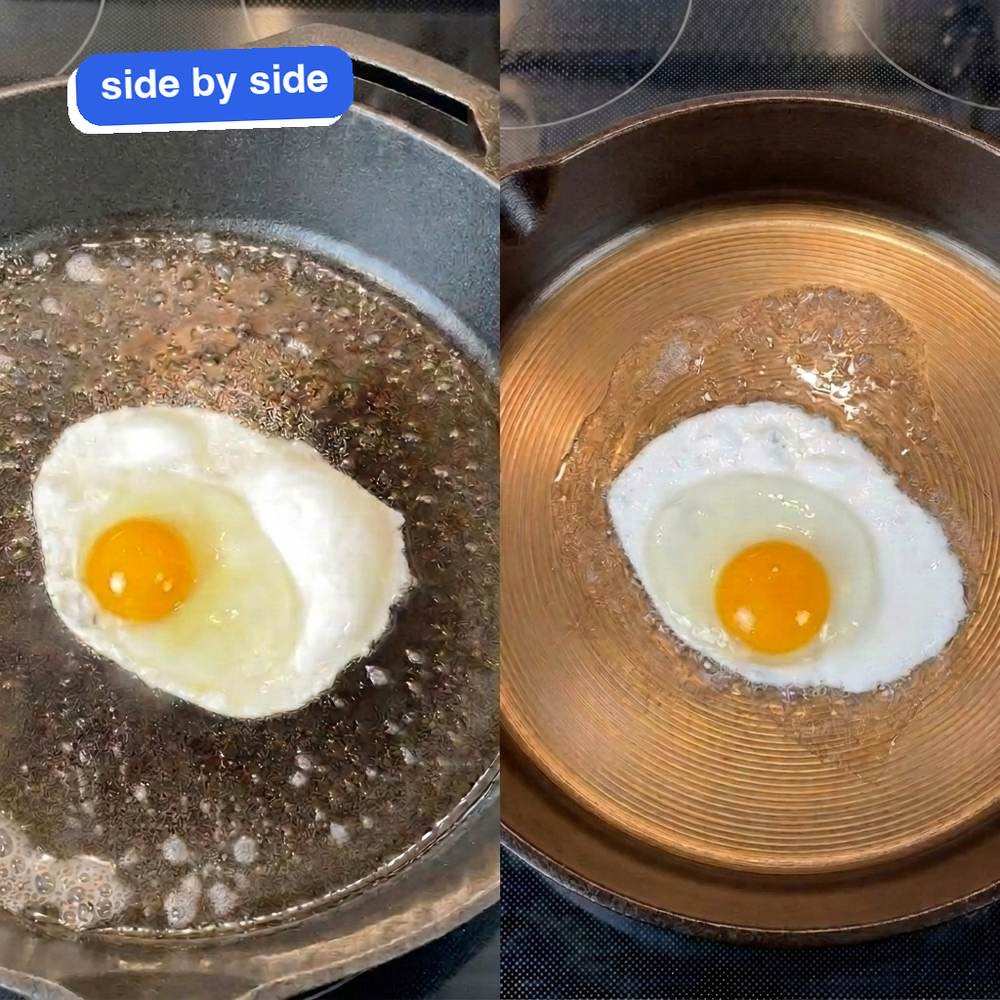
How I tested it: One egg in each pan, same heat, same teaspoon of oil, fresh out of the box on each pan's factory seasoning. Then I tried to get it out with nothing but a tilt of the wrist.
What happened: the field split along one line — surface texture.
iLume: the polished surface released its egg with a tilt — it slid to the plate whole.
Field and Smithey: both smooth-surfaced, did nearly as well.
Lodge: held onto its egg. The pebbled surface grips seasoning over the years, but out of the box those same little craters grip your breakfast. I had to scrape, and the egg came out in pieces.
Same morning, same stove, same oil. The iLume's egg slid out on its own — and yes, that's the leather handle cover doing its job on a hot handle (more on it in Test 5). The Lodge's egg put up a fight — and won, sort of.Same eggs, different kitchen — an unscored re-run on the electric stove at my sister's place. Lodge on the left, iLume on the right; same result.
The honest note: a Lodge that's been cooked on for ten years gets slick too. The difference is the iLume, Field, and Smithey are slick on day one, because the surface is machined smooth before the seasoning goes on. You're paying for the years you skip.
Winner: iLume, narrowly, over Field and Smithey. Lodge trails out of the box.
Test 2 of 5 · Heat retention
Test 2 — The Heat That Stays (or Doesn't)
What goes wrong: The whole reason you buy cast iron is that it holds heat — so a cold steak doesn't kill the sear. But not every cast iron pan holds heat equally. Thin, light pans give some of that superpower back.
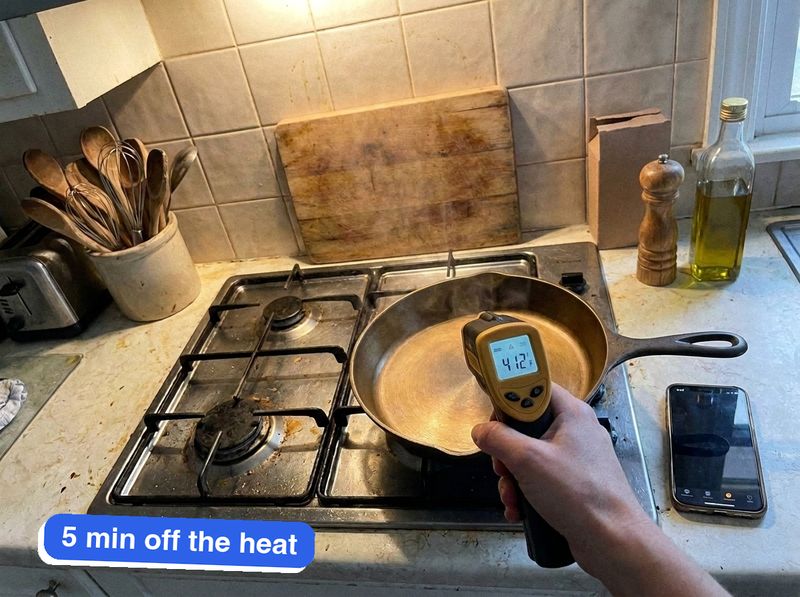
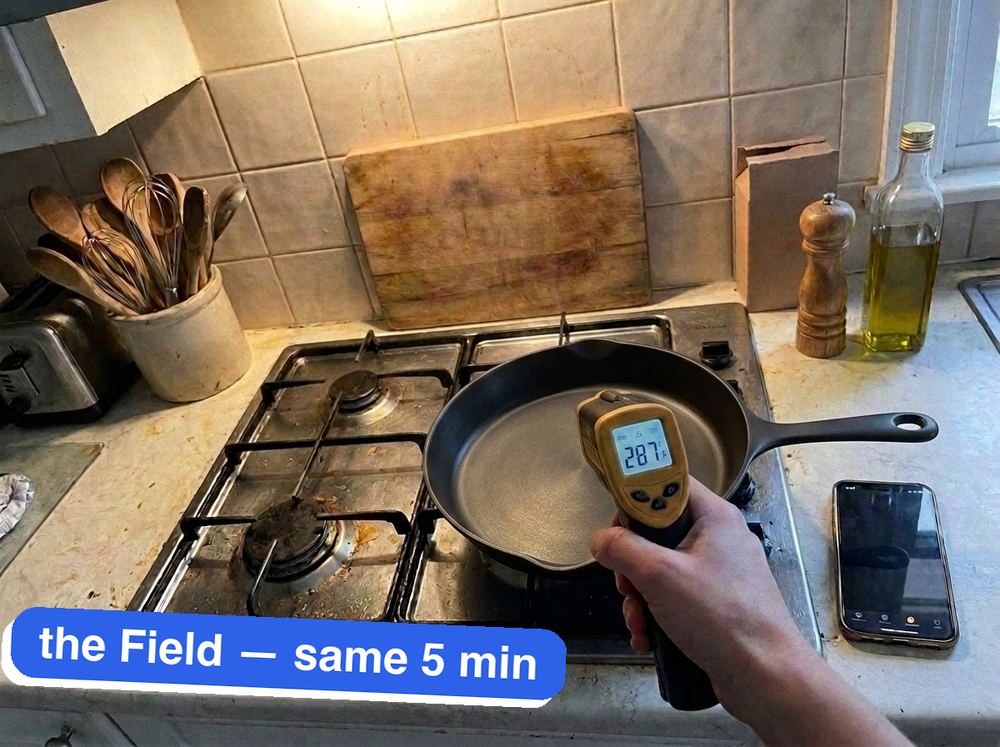
How I tested it: I brought every pan to the same temperature, pulled it off the burner, waited five minutes, and measured the cooking surface with an infrared thermometer. This is the test where the pans really separated.
What happened: five minutes off the flame, the gap between heavy and light was 125 degrees.
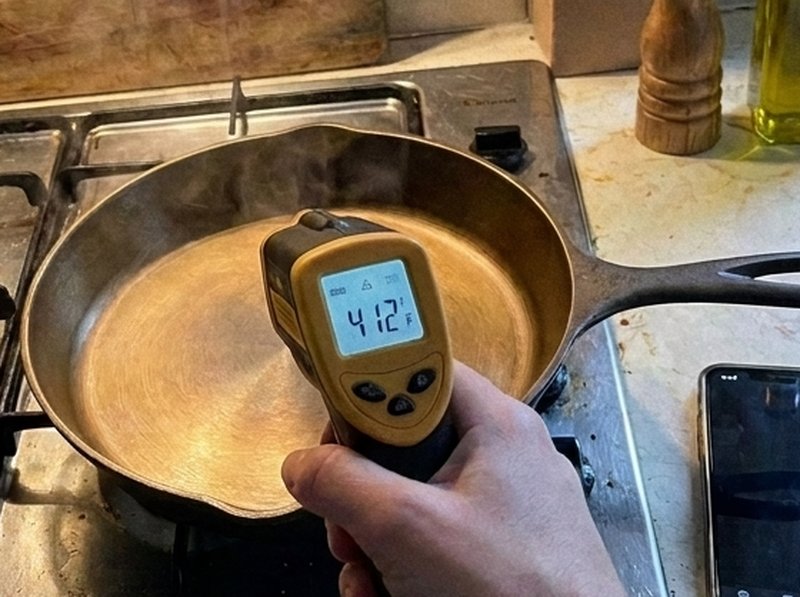
iLume: still read 412°F — very much searing territory.
Smithey: built heavy like the iLume, held its heat just as impressively — no surprise, it's the same physics.
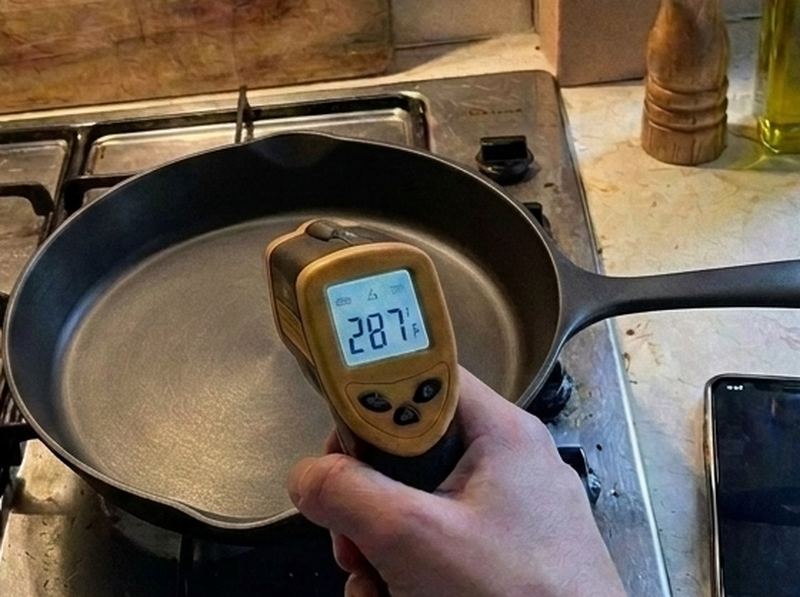
Field: the lightest premium pan in this test, read 287°F. Not a defect — a choice. Field builds light on purpose, and light is genuinely wonderful when you're lifting the pan. But iron holds heat in proportion to how much iron there is.
The iLume still reads 412°F; the Field — the lightweight — reads 287°F. That gap is the weight you're not carrying.
Up close, so you don't have to squint: 412°F on the iLume, 287°F on the Field — same five minutes off the same burner.
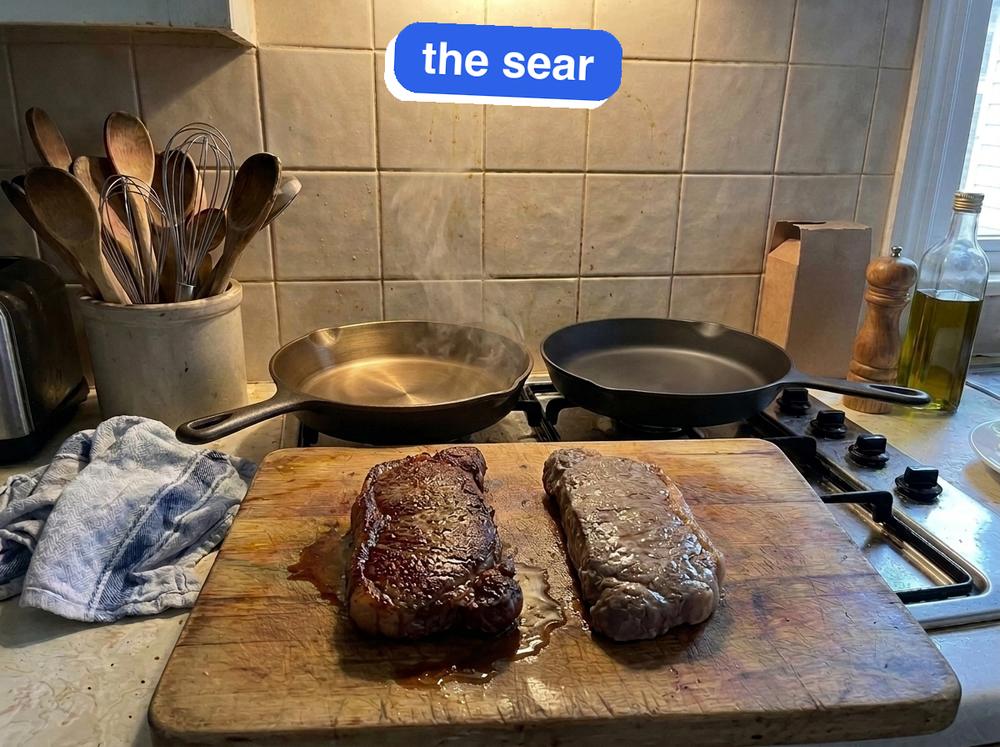
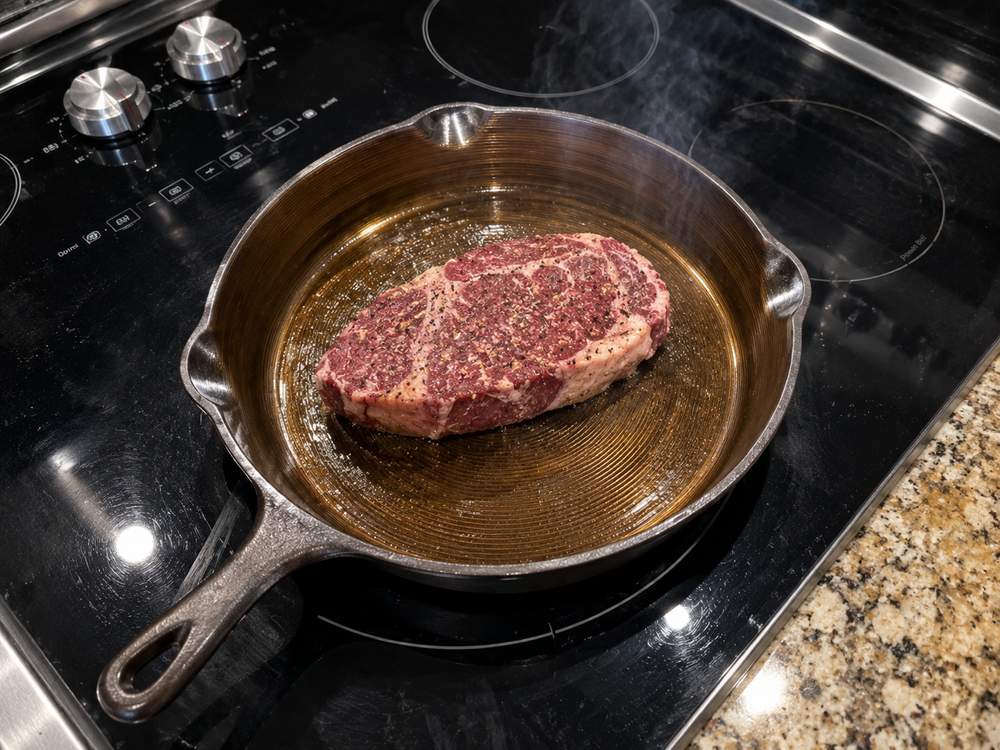
Then I made it edible. Same two pans, same heat, two strip steaks straight from the fridge. The heavy pan shrugged off the cold meat and built a deep mahogany crust. The light pan dropped too much temperature and the steak sweated instead of seared — gray-brown, cooked fine, but no crust to speak of.
Left: seared in the iLume. Right: same cut, same time, in the Field — the pale one is the lightweight pan's steak. The crust is the whole point of cast iron.
Winner: iLume and Smithey, together. Field pays for its lightness right here.
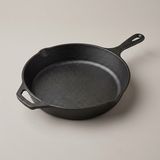
What goes wrong: Run your finger across a budget cast iron pan and it feels like fine sandpaper. That pebbled texture is what raw sand-cast iron looks like when nobody grinds it smooth afterward — and it's how Lodge keeps the price under $30. Food grabs onto it, and so does everything else.
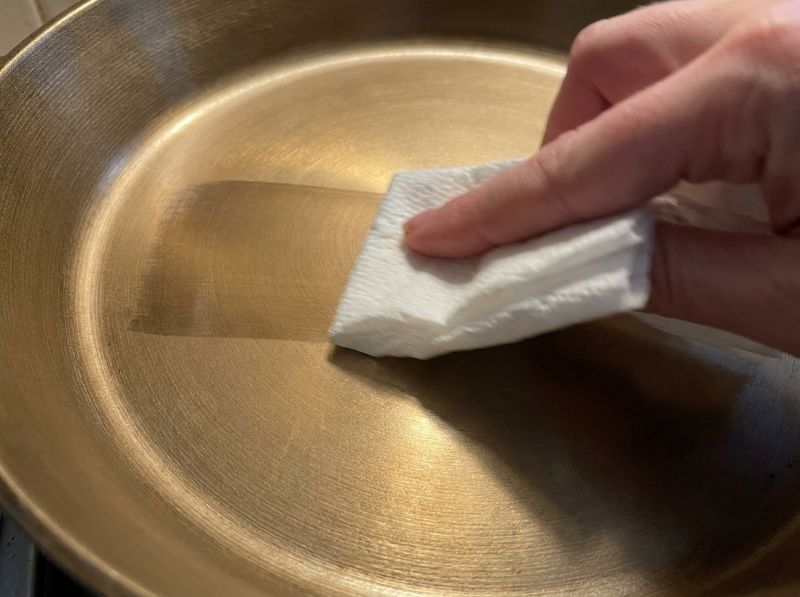
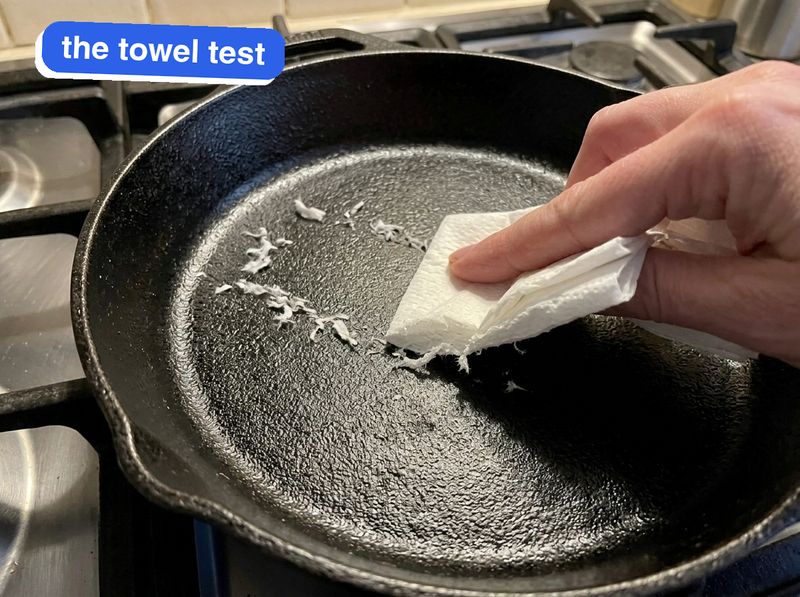
How I tested it: The least scientific test in this article and maybe the most telling. I dragged a folded paper towel across each cooking surface, once, with light pressure.
What happened: one pass each told the whole story.
iLume: the towel glided in one clean streak — like wiping a countertop.
Smithey and Field: both machined smooth, behaved like the iLume.
Lodge: the towel snagged, caught, and started shredding, leaving lint in the pebbled texture.
One pass, light pressure. The iLume's polished surface wipes clean. The pebbled one eating the towel is the Lodge. Now imagine that's a fried egg instead of a towel.
Why it matters beyond eggs: that texture difference is also the cleanup difference, the seasoning-wipe difference, and the spatula-glide difference. It's the single biggest thing separating a $30 pan from a $179 one — and honestly, it's the main reason to upgrade at all.
Winner: iLume, Smithey, and Field in a near tie. This test is really about what the Lodge asks you to live with.
Test 4 of 5 · Cleanup
Test 4 — The Cleanup
What goes wrong: You cooked once and now you're standing at the sink scrubbing carbonized bits out of little crevices while the rest of the family watches television.
How I tested it: Cooked the same pan-sauce chicken dinner in each pan, let each one sit for an hour (the realistic version of "after dinner"), then cleaned each with hot water and a brush.
What happened: under a minute versus honest scrubbing.
The smooth pans (iLume, Smithey, Field): rinsed and wiped clean in under a minute — there's simply nowhere for burnt-on food to hide.
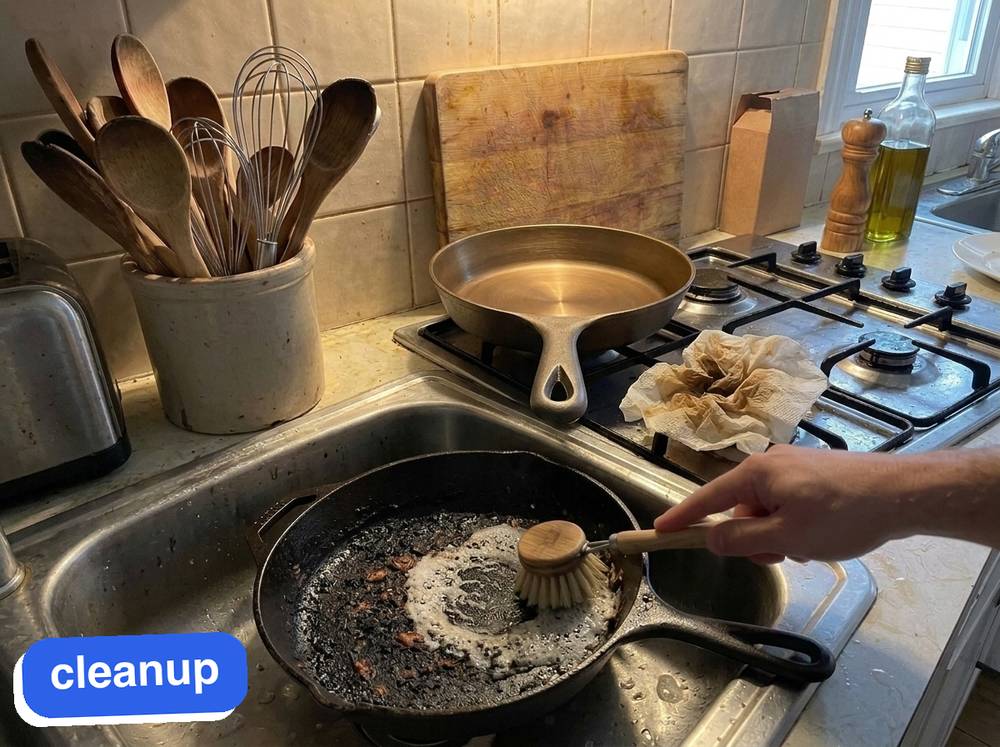
Lodge: needed the brush and some shoulder — the residue anchors in the pebbled texture the same way the seasoning does. That's the Lodge in the sink in the photo below.
Same dinner, an hour later. That's the Lodge under the tap — the pebbled texture is where the residue anchors, and it needs the brush and some shoulder. The iLume was already back on the stove.
Fair is fair: every cast iron pan — all five of these — wants to be dried and wiped with a drop of oil after washing. That's thirty seconds, not a hobby, and if that ritual genuinely bothers you, cast iron may not be your material. The difference here is the five minutes of scrubbing before the ritual, not the ritual itself.
Winner: the smooth-surface pans, with the iLume's polish the easiest wipe of the group.
Test 5 of 5 · Hot handles
Test 5 — The Handle You Can't Touch
What goes wrong: Cast iron is one piece of metal. Heat travels. Twenty minutes into cooking, that handle is as hot as the pan, and every cast iron cook has done the bunched-up-towel grab at least once.
How I tested it: Twenty minutes of stovetop cooking in each pan, then the grab test — bare hand hover, towel grab, and mitt grip.
What happened: none of these handles stays cool — anyone who tells you otherwise is selling something.
Lodge: the short, straight handle heated up fastest and gives you the least to hold onto.
Smithey: did the job with a mitt or towel, same as most.
Field: the slim vintage-style handle is comfortable but got slippery with a mitt.
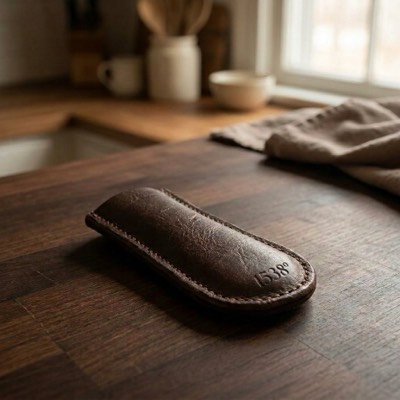
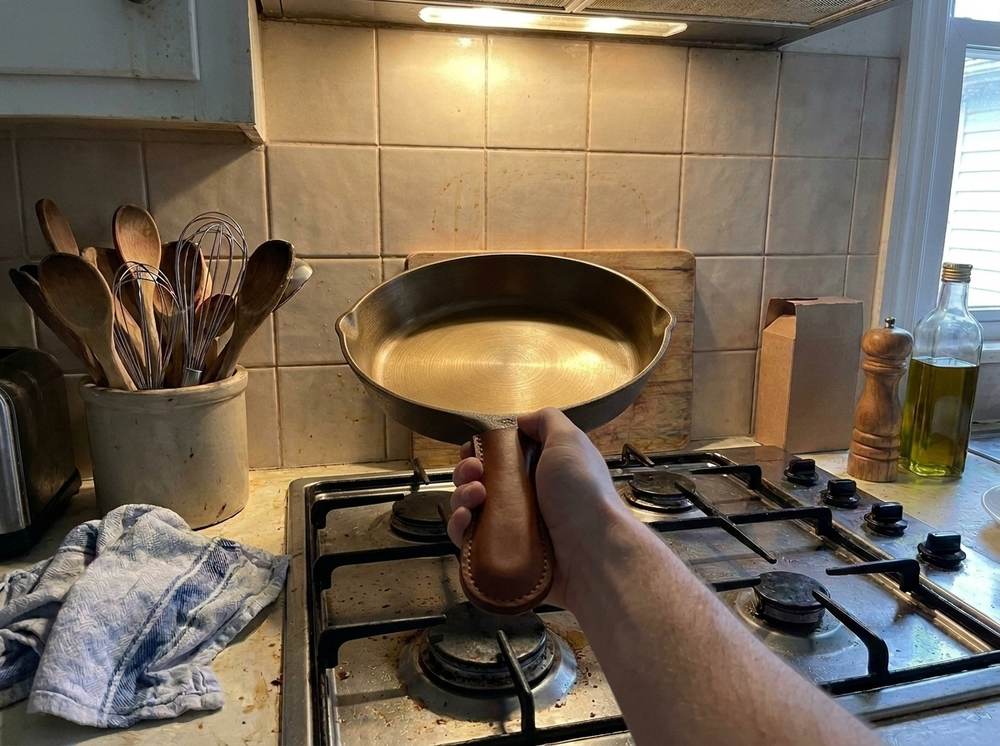
iLume: steady grip with mitt or towel — and it ships with a free leather handle cover in the box, part of its four-piece kit, the thing most cast iron owners end up buying separately anyway. Slip it on and the pan goes from stovetop to table without the towel dance.
That's the iLume on the left, lifted by the leather handle cover that comes free in its box. On the right, the Lodge's short handle under the bunched towel — every cast iron kitchen in America.The free leather handle cover up close, on the iLume — stitched leather over the bare iron. It's the part of the four-piece kit you'll use every single time you cook.
Winner: Smithey for the bare handle design. iLume for the complete out-of-the-box answer.
Bonus · Not scored
A Bonus Test — Cornbread
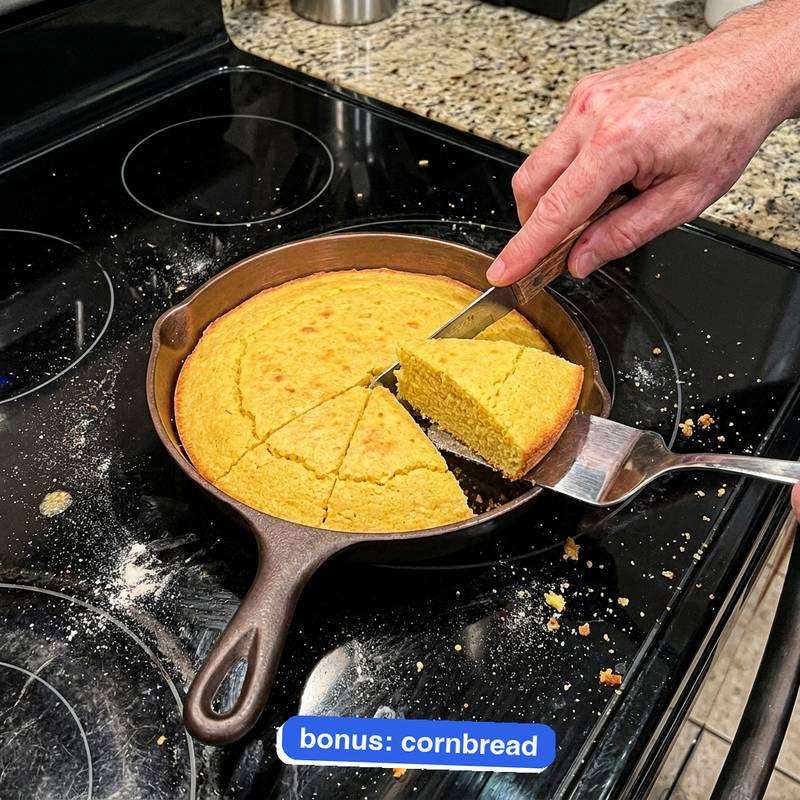
This one wasn't on the test plan, but six weeks of skillet testing leaves you with a lot of leftover bacon fat, so one Sunday I baked my usual cornbread in the iLume — the same recipe I've made for years. What I watch for is browning evenness: a pan that holds heat unevenly gives you pale patches in the middle and scorched edges.
The crust came out an even, deep golden brown from the center wedge to the rim, and the slices lifted out clean. No score — any heavy cast iron pan is a good cornbread pan, and I didn't bake five of them. It's just the kind of job this skillet was bought for, and it did it without an opinion.
Even browning from center to rim — and the flour mess is how you know it was a real Sunday.
$139 / $159 / $179 for the 8", 10", and 12" (regularly $199 / $229 / $259) · polished cooking surface · pre-seasoned, no chemical coatings · pour spouts both sides · lifetime warranty · four-piece kit included ($105 value)
The iLume — the polished bronze interior against the dark sand-cast body. The best-looking pan in the test, and the one that won it.
This one hit a sweet spot between performance, usability, and value that nothing else in the test matched. If you want a cast iron skillet that works just as well for Tuesday dinners as it does for the serious cooking moments, this was easily my top pick.
How it did, test by test:
Won the egg test outright — the polished surface released a fried egg on day one with no drama
Held 412°F five full minutes off the burner — top of the heat-retention test alongside the Smithey, with the steak crust to prove it
The paper towel glided; cleanup was a rinse and a wipe
The leather handle cover in the box answered the hot-handle problem before I could complain about it
Week four, another strip steak going in. For the crust it came out with, see the Test 2 photo above.
A few things worth knowing before you buy:
The seasoning is plain oil baked into the iron — no synthetic coating, no nonstick chemistry, nothing to flake off into your food. Matters to me with kids at the table.
Two pour spouts, one on each side. Sounds minor until you're draining bacon fat left-handed.
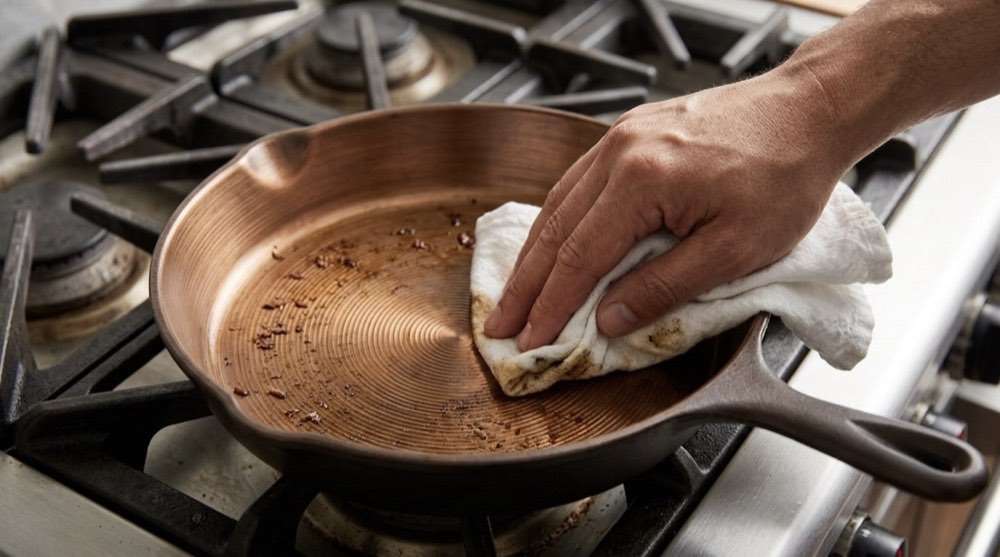
The cooking surface up close, mid-wipe after dinner. This is the bronze that darkens as the seasoning builds — that's the pan improving, not wearing out.
It's also the value play, oddly enough, despite being a premium pan: at $179 it runs about $40 less than the Smithey and well under Field's larger sizes, with a lifetime warranty behind it. And that's comparing pans alone — the iLume is the only skillet in this test whose box holds more than a pan:
Leather handle cover — $29
Seasoning conditioner — $17
Chainmail scrubber — $32
Recipe book — $27
It's the difference between buying a pan and buying the whole setup. From a chef dad perspective, it feels like the kind of skillet you keep for years — which is the entire point of buying cast iron once instead of replacing cookware every few years.
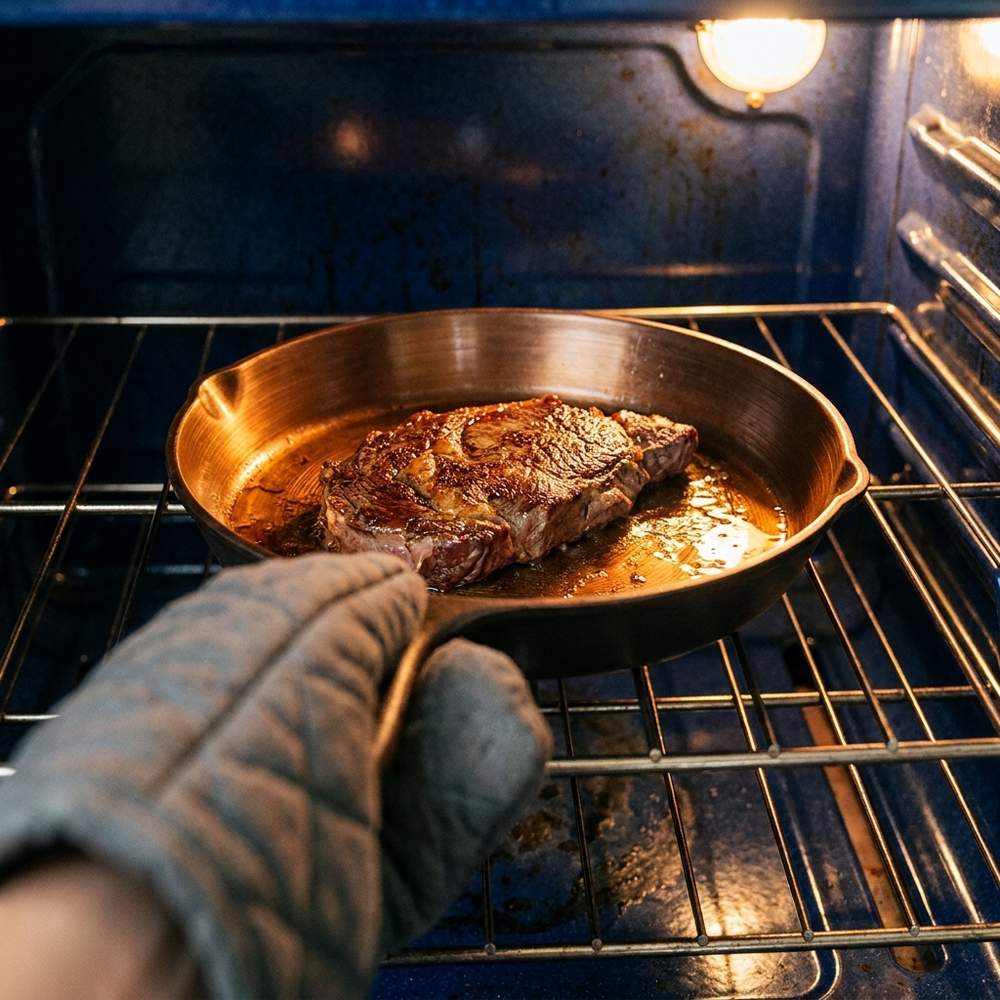
Stovetop to oven without a thought — the versatility half of the scorecard, in practice.
What We Love
Best egg release in the test, straight out of the box
Held 412°F five minutes off heat — the sear test wasn't close
Polished surface wipes clean in seconds
Plain-oil seasoning — no chemical coatings of any kind
Pour spouts on both sides; lefties rejoice
Four-piece kit in the box — handle cover, conditioner, scrubber, recipe book: the stuff you'd buy anyway
Lifetime warranty at $40 under the nearest premium competitor
What Could Be Better
It's heavy. All good cast iron is, but plan on two hands when it's full
iLume is a newer company — you're trusting a warranty, not a century of history (it's machined to the same spec as the heritage pans, but I understand the hesitation; see the FAQ below)
The bronze interior won't stay bronze — it darkens with use (normal, but worth knowing)
~$185 (No. 10) to $265 (No. 12) · smooth matte surface · lightest premium cast iron made
The Field — smooth matte machined iron and the slim, straight vintage handle. The lightness is the whole design brief.
Field set out to bring back the light, smooth vintage cast iron your grandmother might have owned, and they genuinely did it — the No. 10 is the lightest pan in this test by a wide margin. One-handed pouring, comfortable flipping, no wrist fatigue.
For anyone who finds cast iron physically tiring — and that's a real, fair concern — Field is the best answer the premium category has, and it earned the runner-up spot honestly.
The smooth machined surface also put it right alongside the iLume and Smithey in the cooking tests: the egg released, the towel glided, cleanup was easy.
What We Love
Genuinely light — the easiest cast iron to live with, period
Smooth machined surface: great release, easy cleanup
Heats up faster than any pan in the test
Beautiful, understated vintage design, made in the USA
What Could Be Better
Worst heat retention in the test — 287°F vs. 412°F five minutes off heat
The crust suffers when you sear cold, thick cuts
The slim handle gets slippery with an oven mitt
$265 for the 12" — the most expensive pan here in the big size
#3 — Smithey · 4.2/5
$220 (No. 12) · pan only in the box · ~8.7 lb listed · polished smooth surface · made in Charleston, South Carolina
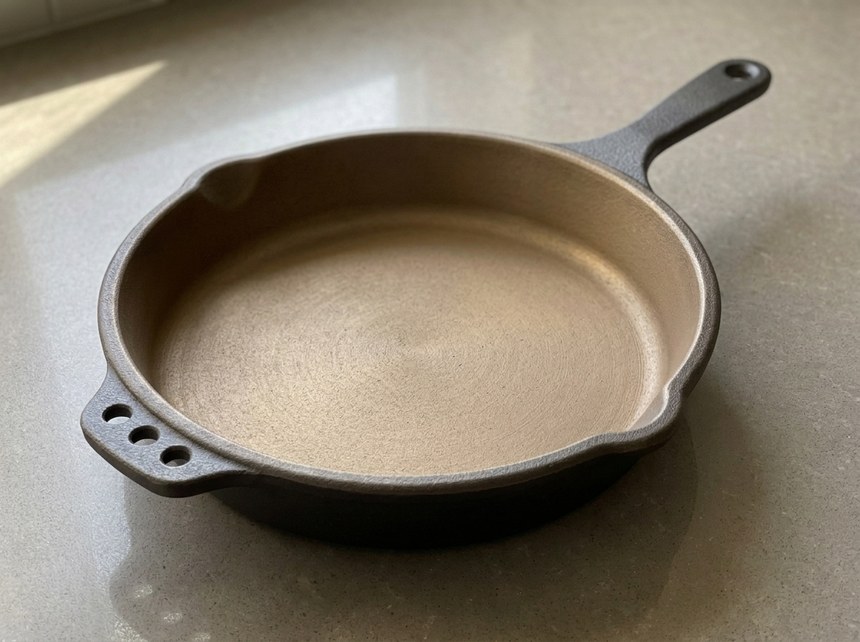
The Smithey — a duller, flatter take on the same bare-iron bronze, with the three-hole tab at the front rim. $220, and the box holds the pan and nothing else.
Let me be straight about this pan: the Smithey did not lose a single cooking test in my kitchen. It held heat right alongside the iLume, and its smooth machined surface released eggs and wiped clean beautifully. It's a nice pan, made in the USA.
Its bare-iron interior is in the same bronze family as the iLume's, just duller and flatter — six weeks side by side, the iLume's brighter polish was the one my eye kept going to. That's taste, not testing.
So why is it third? The receipt — and what isn't on it. After six weeks I could not find $40 of cooking difference between these two pans: the eggs released the same, the steaks crusted the same, the cleanup took the same minute. The boxes are a different story:
That empty box matters most in the hand. At about 8.7 pounds listed, the Smithey is the heaviest pan in this test, and the handle is bare iron — twenty minutes into dinner it's as hot as the pan, with nothing in the box to hold it with. You'll do the bunched-up-towel grab or buy something separately, where the iLume's leather cover came included.
What the extra money buys is real, but it's provenance and polish, not performance: the Charleston foundry story, the hammered finish, the name.
If money is no object and the story matters to you, you will not regret a Smithey. If you're buying a pan to cook with — and hold, and season, and scrub — the iLume hands you the complete setup for less, and that's the whole reason it's ranked above this one.
What We Love
Genuinely nice fit and finish — it feels like the expensive pan it is
Heat retention right at the top, tied with the iLume
Beautiful polished surface; effortless release and cleanup
Made in the USA (Charleston, South Carolina)
What Could Be Better
$220 for the pan alone — roughly $40 over an iLume that arrives as a complete setup ($105 kit included)
Nothing in the box but the pan: no handle cover, no scrubber, no conditioner
Heaviest pan in the test (~8.7 lb listed), and the bare iron handle gets hot — nothing included to hold it with
No meaningful cooking advantage over the top pick in any test I ran
The Short Entries
#4 — Finex · 3.9/5
$200+ · octagonal design · Portland, Oregon
Finex is one of those skillets that makes an impression the second you pick it up — the octagonal shape, the coiled stainless handle, the machined surface. It cooked well in my tests: good retention, good release, and the eight corners pour from anywhere.
But the design-first choices cut both ways — it's awkward to store, the spiral handle still gets hot, and you're paying north of $200 largely for the sculpture. For cooks who value visual appeal as much as cooking performance it's a fun pan; it's just not the most practical one in this group, and at this price practical matters.
#5 — Lodge · 3.6/5
Under $30 · pebbled surface · South Pittsburg, Tennessee
Lodge feels like the classic starting point for cast iron, and there's a good reason for that: it's honest iron at an honest price, made in Tennessee the same way for over a century, and it delivers the core benefits people want — real heat retention, oven-safe, lasts forever.
If your budget is $30, buy the Lodge and don't look back; it remains one of the smartest value picks in all of cookware.
What my tests showed is simply what the $150 gap buys. The pebbled, unground surface grabbed the egg, shredded the paper towel, and held onto the burnt bits at cleanup; the short handle heated up fast.
None of that is a defect — it's what raw sand-cast iron is, and a decade of cooking will smooth its manners. The premium pans just sell you that decade up front.
If you already own a Lodge and it frustrates you, the rough surface is almost certainly why — and that's the one thing an upgrade genuinely fixes.
Why the iLume Won
It won the tests that matter most. Best egg release out of the box, and 412°F still on the surface five minutes off the burner — searing performance the lightweight pans can't physically match.
The smooth polished surface, without the heritage markup. Same machined-smooth cooking experience as the $220+ pans, roughly $40–85 less on the receipt.
Plain-oil seasoning, no chemical coatings. Nothing synthetic on the cooking surface, nothing to flake or wear off into food. For a lot of us, that's the entire reason to be in the cast iron aisle.
Practical where it counts: pre-seasoned and ready to cook, pour spouts on both sides, the four-piece kit in the box ($105 stated value), and a lifetime warranty behind all of it.
The honest caveat, one more time: it's a heavy pan from a young company, and the bronze interior darkens with use. None of those three things stopped it from outcooking everything else I tested.
Fair question — I'd ask it too about a cookware brand you haven't seen at Williams Sonoma. iLume is a newer, direct-to-consumer brand, which is how it sells a machined-smooth pan for $179 instead of $220+: no retail middleman. What I can tell you from six weeks with it:
The pan arrived exactly as described, and the seasoning and machining quality held up over near-daily cooking
The company backs it with a lifetime warranty and standard returns
The honest flip side of being new and selling direct: they've sold out more than once this year
Why is the iLume cheaper than the Smithey and the Field? Where is it made?
Two reasons, and I'll give them to you straight:
Direct-to-consumer pricing — no wholesale markup.
Where it's cast. The iLume is cast overseas and machined to spec; Smithey and Field cast in the US, and American foundry labor is a real part of what their price buys.
What I can tell you from the tests is that the iron doesn't know where it was poured: the iLume matched or beat the US-cast pans in every cooking test I ran. If American manufacturing is a priority for you, buy the Smithey — it's a wonderful pan, and you now know exactly what the extra $40 is for.
Is the seasoning actually chemical-free? I'm trying to get away from nonstick coatings.
Yes, and this is most people's reason for switching to cast iron in the first place. The iLume (like all five pans here) is seasoned with plain oil baked into the iron at high heat — that's the entire "coating." There is no PTFE, no PFOA, no PFAS, no synthetic nonstick layer on any pan in this review.
The difference between these five is not chemistry, it's smoothness: the polished pans (iLume, Smithey, Field) give you the closest thing to nonstick behavior you can get from bare iron and oil.
Will the bronze cooking surface stay bronze?
No — and I'd rather tell you than have you find out. The bronze color is freshly polished iron under a thin factory seasoning. As you cook, the seasoning builds and the surface darkens toward brown, then a deep glossy black. Every polished pan does this, the Smithey and Field included.
It's the pan improving. If you want the day-one look forever, cast iron is the wrong material; if you want the pan cooking better at year five than day one, that's exactly what the darkening means.
I already have a Lodge. Is upgrading actually worth it?
It depends on whether your Lodge bothers you. If it doesn't — if your eggs slide and cleanup is quick — keep it, genuinely. If you're fighting it (food grabbing the rough surface, long scrubbing sessions, the sticky patchy seasoning), then yes:
What the upgrade fixes: the rough surface — the specific difference my towel test and egg test made visible.
What it will not fix: the weight, the hot handle (covered, in iLume's case), or the thirty-second dry-and-oil habit. Those come with the material.
What size should I get?
If you're buying one pan, buy the 12" — you won't wish it were smaller.
12" ($179) — the one I tested hardest and the one most buyers land on: a family dinner, two steaks, or a whole chicken
10" ($159) — one- and two-person households and lighter wrists
8" ($139) — the egg-and-grilled-cheese pan
How heavy is it, really?
Heavy. A 12" premium cast iron pan in this class runs seven to eight pounds empty, and the iLume is no exception — only the Field meaningfully undercuts that, and Test 2 shows what the missing iron costs you.
Use two hands when it's full, keep it on the stove rather than the high shelf, and the weight stops being a daily issue. If wrist strain is your deciding factor, the Field is the honest recommendation — that's why it's my runner-up.
Thanks for sticking with me through six weeks of eggs, steaks, and scrubbing — that's more patience than most of my dinner guests have. If you take one line away from this whole page, take this one: the others went back in their boxes, and the iLume is the pan still sitting on my stove. No pressure from me — whenever your old pan finally annoys you enough, you can check availability on the iLume and take it from there. Happy cooking.
— David
★ Best Overall: iLume Cast Iron Skillet★★★★★★★★★★ 4.7/5 · $179